How Carpet Cleaning Greeley CO Removes Hidden Dust
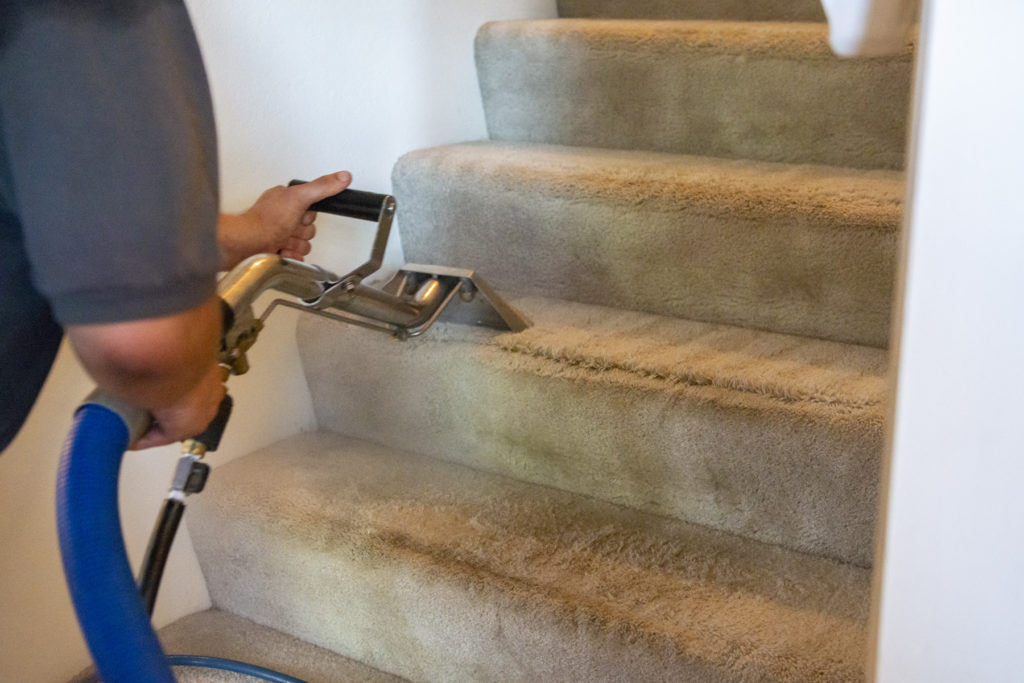
Most homeowners notice dirt when it is obvious. A muddy footprint near the entry, pet hair collecting along the baseboards, or a gray traffic lane running from the hallway into the living room. Hidden dust is different. It settles deep into carpet fibers, works its way below the visible surface, and stays there quietly until the room feels stale, the air seems heavier, or allergies start acting up for no clear reason.
That is one reason carpet care matters more than appearance alone. In homes across Greeley, carpets often act like giant fabric filters. They trap what comes in from outside, what sheds from inside, and what drifts through the air day after day. Some of that material is easy to vacuum up. Much of it is not.
Professional Carpet Cleaning Greeley CO services are built around this reality. The real job is not just lifting a spot or freshening a room. It is removing the fine, packed-in debris that standard cleaning leaves behind.
Dust does not stay on the surface for long
Fresh dust starts out light. It comes in through open doors, rides in on shoes, blows through window screens, and enters with daily foot traffic. In a typical home, it also includes fabric lint, skin flakes, pollen, tiny soil particles, and bits of outdoor residue. In neighborhoods with active construction, open lots, or windy conditions, that load can build quickly.
At first, some of it sits near the top of the carpet pile. That is the stage people imagine when they think of vacuuming. But carpet is not a flat plane. It is a dense field of twisted fibers with space between them. Every step presses dust lower. Over time, the smallest particles migrate down toward the backing, especially in high-use areas like hallways, family rooms, and stairs.
That deeper dust is the problem. It does not just disappear. It collects where household vacuums often struggle to reach, and it behaves differently from loose dirt on hardwood or tile. Once embedded, it clings to fibers, holds moisture, and contributes to wear. If you have ever replaced carpet in an older room and been surprised by the amount of fine gray residue trapped underneath, you have seen the long-term result.
Why hidden dust matters for more than looks
There is a practical reason professionals pay so much attention to soil load. Dust is abrasive. Tiny grit particles act almost like sandpaper under foot traffic. As people walk across the room, those particles rub against the yarn, slowly dulling and fraying the fibers. That is how carpet can look flat or tired even when it is not very old.
There is also the comfort factor. Rooms with heavily dust-laden carpet often feel less clean, even right after the floor has been vacuumed. Odors can linger. Air seems stuffier. In homes with pets or children, the accumulation can be even more noticeable because the carpet receives more contact and disturbance throughout the day.
For people sensitive to indoor allergens, deep dust can be especially frustrating. Carpet itself is not always the villain people assume it is. In many cases, carpet is trapping particles that would otherwise circulate freely. The trouble starts when that trapped material builds up faster than it is removed. Walking, playing, or vacuuming with weak suction can stir some of it back into the air.
That is where professional cleaning changes the equation. Good equipment and sound technique can pull out what normal maintenance leaves behind.
What makes Greeley carpets collect so much debris
Local conditions matter. Greeley homes deal with a mix of dry air, wind, seasonal pollen, and the kind of fine outdoor dust that finds its way indoors no matter how careful a household is. Even homes that look tidy can hold a surprising amount of dry particulate in the carpet.
In my experience, the biggest hidden dust loads show up in homes where people are doing many things right, but the environment keeps adding to the problem. Shoes are removed at the door, vacuuming happens regularly, windows are kept closed during windy days, yet the carpet still gives up a remarkable amount of residue during a proper deep clean.
This is particularly common in homes with beige or medium-tone carpet, because dust blends in visually. Darker carpets hide certain residues in a different way. The floor may not look bad, but the cleaning water or recovery tank tells another story. Homeowners are often surprised by how much material comes out of rooms they believed were fairly clean.
Why vacuuming alone reaches a limit
Vacuuming is essential, but it is not the whole answer. Even a decent upright machine mainly addresses dry soil near the top and middle of the pile. Performance depends on suction, airflow, beater bar action, filter condition, and whether the vacuum is adjusted to the right height. Many household machines lose efficiency long before owners realize it. Filters clog, belts stretch, rollers wear down, and attachments go unused.
The other issue is frequency versus force. A weekly pass over open areas helps with maintenance, but it does not always deliver the extraction needed to dislodge compacted dust from deep within the carpet. Think of it like brushing off a fabric chair versus washing it thoroughly. Surface improvement happens quickly. Deep removal takes more energy and a different process.
Area rugs, furniture legs, and room edges complicate matters further. Dust tends to migrate and settle in zones where vacuuming is rushed or inconsistent. Along baseboards, under sofas, and in transitions between rooms, fine debris can remain undisturbed for long stretches.
Professional carpet cleaning is effective because it combines agitation, suspension, and extraction. That sequence matters.
How professional carpet cleaning actually removes hidden dust
When people hear the phrase carpet cleaning, they often think of steam and scent. The more important mechanics are less glamorous. A skilled cleaner is trying to break the bond between the soil and the fiber, flush it out, and recover it before it resettles.
In practical terms, the process usually starts with dry soil removal and inspection. That step is often skipped in do-it-yourself approaches, yet it is one of the most important. If a cleaner applies Carpet Cleaning Greeley CO moisture to a heavily dusted carpet without first removing as much dry particulate as possible, the result can be mud in the lower pile. Good technicians know that hidden dust is easier to extract when approached in the right order.
After that comes pre-treatment. Cleaning solutions are applied to loosen oily residues and help suspend fine particles that are stuck to the fibers. Dust rarely exists by itself. It mixes with foot oils, cooking residue, pet dander, and airborne grime. Pre-spray helps separate that mix from the carpet.
Agitation is the next key stage. This might involve a grooming tool, a counter-rotating brush machine, or another method suited to the carpet type. Agitation distributes the solution and helps free particles embedded below the surface. It is one of the clearest differences between a quick rinse and a thorough cleaning.
Then comes hot water extraction, the method many professionals rely on for deep cleaning. Hot water and cleaning solution are injected into the carpet and immediately extracted with strong suction. The goal is not to soak the floor. The goal is to rinse suspended soil out of the pile and recover as much moisture as possible in the same pass. When done correctly, this method removes a substantial amount of hidden dust, along with the residue attached to it.
Low-moisture methods can also be effective in some settings, especially for commercial spaces or carpets that need shorter dry times. The best choice depends on the carpet construction, the level of soiling, and the condition of the backing and pad. Experienced Carpet Cleaning Greeley CO professionals do not treat every home the same way. They adjust based on what the carpet needs.
The difference between a quick cleaning and a thorough one
Homeowners often ask why one carpet cleaning seems to make such a dramatic difference while another feels mostly cosmetic. The answer usually comes down to time, equipment, and judgment.
A quick cleaning may brighten the top of the pile and leave a fresh scent, but if it does not remove the underlying dry load, the improvement fades fast. Traffic lanes reappear. The carpet seems dingy again within weeks. Sometimes that is because residue was left behind. Sometimes the deeper dust was never fully removed in the first place.
A thorough cleaning is slower. It includes careful pre-vacuuming, attention to edge buildup, smart pre-treatment, proper dwell time, and multiple extraction passes where needed. It also respects carpet type. Berber, plush, cut pile, and older synthetic carpets do not all respond the same way. Overwetting one carpet or under-agitating another can leave a lot of hidden dust untouched.
I have seen rooms that looked only mildly soiled produce extraction water far darker than expected, especially near seating areas and entries. Those are the moments that remind homeowners what their carpet has really been holding.
Signs your carpet is carrying more dust than you think
Some clues are subtle. Others are hard to miss once you know what to look for.
- The carpet looks dull soon after vacuuming.
- Sunlight reveals haze or particles when people walk through the room.
- Allergy symptoms seem worse indoors, especially in carpeted areas.
- Traffic lanes feel rougher or more matted than surrounding sections.
- The room has a lingering stale smell with no obvious source.
None of these signs prove the carpet is the only issue in the house, but together they often point to a deep soil problem. In homes with forced-air heating and cooling, dust from carpet can interact with the rest of the indoor environment. That is why a whole-home cleanliness plan works better than treating the carpet in isolation.
What homeowners can do between professional cleanings
Professional service handles the deep reset. Regular household care keeps the problem from rebuilding too quickly. The most effective routines are usually simple and consistent rather than elaborate.
Focus first on entry control. Mats inside and outside exterior doors help catch grit before it reaches the carpet. Shoes-off households usually see slower wear and lower soil load, especially in main living areas. Vacuuming frequency matters most in traffic zones, not just in the middle of open rooms where it is easy to glide through.
Pay attention to technique. Slow vacuum passes remove more than quick ones. Empty the canister or bag before it gets packed. Clean filters on schedule. If the vacuum has height settings, use the one that allows firm contact without bogging down. People often assume stronger suction solves everything, but brush action and airflow are just as important.
Spills should be addressed quickly, even when they seem minor. Moisture turns dust into adhesive residue. That residue then grabs more soil, creating a dark patch that keeps growing. Blotting, rather than scrubbing, usually prevents damage and keeps the problem from spreading.
A sensible rhythm for many homes is professional cleaning every 12 to 18 months, with more frequent service for houses with pets, children, high foot traffic, or allergy concerns. Some spaces need attention every 6 to 12 months. Others can go longer. The right schedule depends less on the calendar and more on how the room is used.
Why equipment quality changes the result
There is a large gap between consumer rental machines and professional-grade extraction systems. Rental units can help in a pinch, but they often lack the suction, heat consistency, and recovery power needed for serious hidden dust removal. They may also leave carpets wetter for longer, which creates its own problems.
Professional equipment is built to recover more soil and more moisture in the same process. That means cleaner fibers, faster dry times, and less leftover residue. It also allows the technician to make better decisions in real time. On one pass, they can see whether a traffic lane is releasing properly or whether it needs another treatment cycle. That feedback matters.
Good tools alone are not enough, though. Carpet cleaning still depends on operator judgment. Using too much solution, moving too fast, or applying the wrong chemistry can limit results. Experienced cleaners know when to be aggressive and when to back off, especially on older carpet or delicate installations.
Hidden dust in homes with pets and kids
Families with pets and children often deal with a denser mix of carpet contaminants. Fine dust is only part of it. There may also be food crumbs, tracked-in soil, body oils, shed hair, dander, and the occasional mystery spot that has been stepped on twenty times before anyone notices it. In those homes, the carpet acts almost like a diary of daily life.
The challenge is that much of this debris is dry until humidity or spills activate it. Once moisture enters the picture, hidden dust can bind more tightly to the fibers and hold odor. That is why pet areas sometimes continue to smell slightly off even after they have been vacuumed several times. The issue is often below the surface.
Professional cleaning helps by removing both the visible and invisible load. If pet accidents have reached the backing or pad, deeper treatment may be needed, and sometimes full correction involves more than surface cleaning alone. A reputable cleaner will say so plainly. Not every odor can be solved with a standard appointment.
Choosing a carpet cleaning service in Greeley with the right approach
Not all providers work with the same level of care, and that matters when the goal is true dust removal rather than a quick cosmetic pass. The best questions are practical ones. Ask what method they recommend for your carpet type, whether they include pre-vacuuming, how they handle heavy traffic lanes, and what Carpet Cleaning Greeley CO kind of dry times are typical. Clear answers usually signal real experience.
It also helps to ask about residue control. Carpets that feel sticky after cleaning often attract soil faster. That defeats the point. A sound process emphasizes thorough extraction and leaves the carpet clean, not coated.
Here are a few traits worth looking for when hiring Carpet Cleaning Greeley CO professionals:
- They inspect the carpet before quoting a one-size-fits-all service.
- They explain their method in plain language without overselling.
- They address dry soil removal, not just stain treatment.
- They set realistic expectations for wear, odor, and permanent discoloration.
- They talk about dry time and aftercare before they begin.
That kind of professionalism usually leads to better long-term results. It also helps homeowners understand what carpet cleaning can and cannot fix. Some dark traffic areas are soil. Others are fiber wear. A good technician knows the difference.
The long-term payoff of removing hidden dust
When hidden dust comes out of a carpet, the improvement is not only visual. Rooms tend to feel lighter underfoot, smell cleaner, and stay presentable longer between vacuuming sessions. Fibers stand up better. Traffic lanes lose some of that gray, compacted look. The whole room can seem fresher without any dramatic renovation.
There is also a preservation angle that many people overlook. Carpet is a major home expense. Replacing it early because it looks worn before its time is costly. Regular deep cleaning does not make carpet immortal, but it can slow down the grinding effect of embedded grit and help the material age more evenly.
That is especially important in busy households where replacement is not a small project. Moving furniture, coordinating installation, and living through the disruption adds up fast. Maintenance is cheaper, easier, and usually much more effective when done before the carpet reaches the point of no return.
For homeowners in Greeley, hidden dust is not a minor housekeeping detail. It is part of the everyday wear pattern of life indoors. Carpets absorb more than people see, and they hold onto it longer than most expect. Professional carpet cleaning works because it addresses what is buried, not just what is visible. When done well, it resets the carpet from the inside out, which is exactly where the real dust problem begins.
TLC Carpet & Air Duct Cleaning
6380 W 10th St, Suite 7
Greeley, CO 80634
(970) 352-8176
FAQ About Carpet Cleaning Greeley CO
How much should a carpet cleaner cost in Greeley?
Pricing depends on the number and size of rooms, carpet condition, and add-ons such as stain treatment or stairs. Ask for an itemized quote.
How long will my carpet take to dry after cleaning?
Drying time varies with the carpet, cleaning method, humidity, and airflow. Ask the technician for an estimate and when to move furniture back.
How do I prepare my home for carpet cleaning?
Pick up small items, clear a path for equipment, and point out stains or delicate fibers. Ask the cleaner which furniture they can move and what needs to be moved before the visit.